Tuesday, August 14, 2018

BSA 231 W6 : Planning and Manifesto Angst

So I need to really start sorting my stuff because I shoot in two weeks and the manifesto is due just a little bit after, with so many other projects and the other sets before my own (third year ones) I don't have a lot of time. The best development at the moment is that I resigned from Subway and this weekend is my last shift, week after people start filming so I think I timed it quite well.

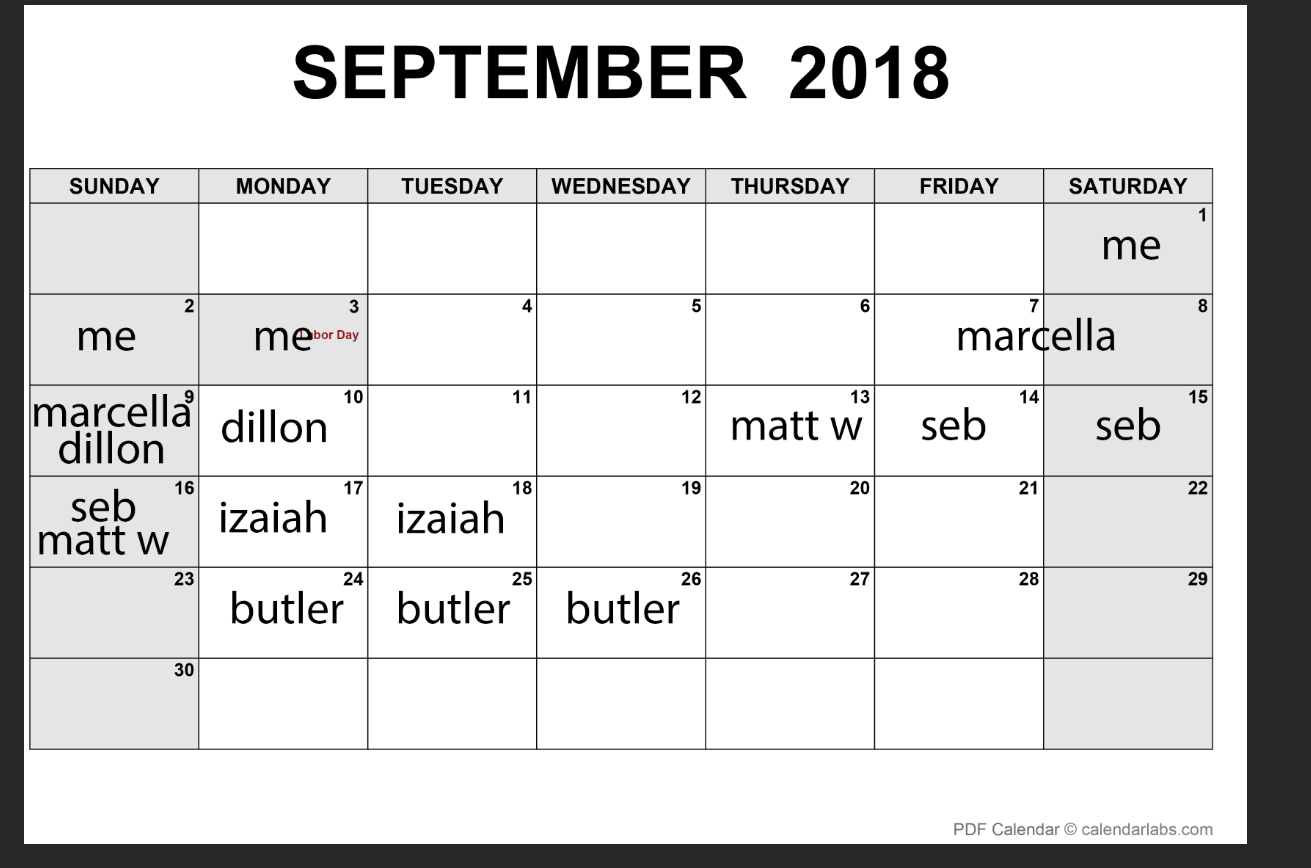
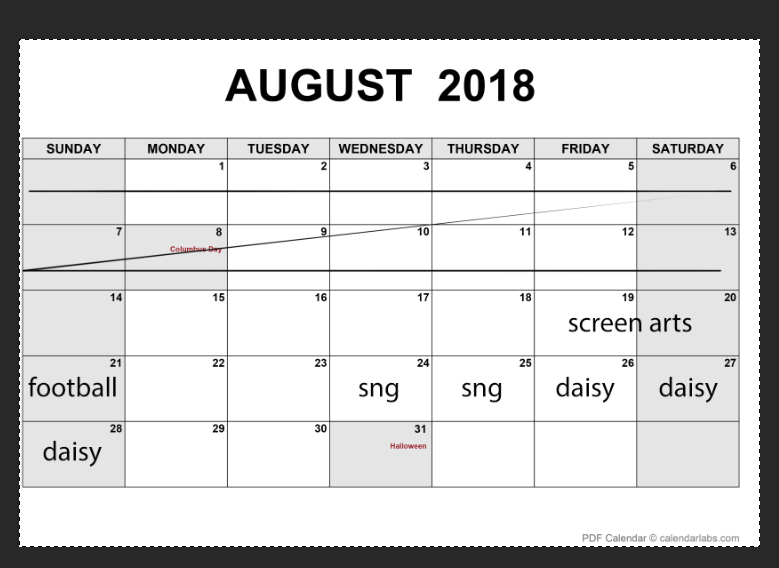
I filled out some calendars quickly to figure out how much time I have when (I just listed the sets I think I might be on or that I've already agreed to):


I'm probably not on Sylvester's set, although I did offer my assistance so who knows. This weekend I am going to have to get Screen Arts out of the way, at least it's something that can be easily done in one weekend. 


Manifesto Requirements


Overview of the concept:


Character Biographies:


Stylistic Intentions:


Production Design + Concept Art: 

Costuming: For this I think I can be creative, setting in a world where everyone is always on drugs means that their dress can be unkempt and informal to a degree. So not everyone needs police costumes, maybe no one even needs a full one - it makes sense in this world to show up with just a hat or jacket.

This is an interesting concept, might even be able to get assistance from a fashion student if I ask nicely.

Sound Design and Score:


Artist Models/Inspiration: 


Ethical & Legal Considerations: 


Script Breakdown: 


Budget: 


Shot list:


Lighting Schematics:


Resources: 


Shooting Schedule + Call Sheet:


Location Details:


Risk Assessment Forms: 


Release Forms and other Legal Documentation: 


BSA 204 W6 : Michael Arndt

Today we looked at the academy award winning writer of Little Miss Sunshine's

He talks about how to begin a story:

Beginnings: Setting a Story in Motion


- Character's normal love, they do something they love but have a fatal flaw related to this thing
-


Endings: The Good, the Bad, and the Insanely Great


He breaks it down into three different types of stakes:

- Emotional Stakes
- Philosophical Stakes
- External Stakes

All of these usually intersect at a couple of key points in the film, the climax and dark night of the soul. Arndt says this is what makes an "Insanely Great Ending".


SIDENOTE: "Angel" Stories

There are also stories where the main character doesn't really undergo a lot of change from the start to end of the film, these films still usually have that character affect other around him in some way or another. So side characters undergo larger arcs than the main character, almost like playing the film from the mentor's perspective.

Examples of this could be something like Forrest Gump, where the people around him are more affected than him, or Star Wars could even be argued as an example where Luke doesn't change as much as, say, Han Solo.

I actually recently saw a video essay on this exact thing:


Patrick did mention this is quite common in kids films, here the guy mentions Paddington, I guess this is because these characters - while the leads of the films - are often required to act as a role model of some kind. I imagine this is the case with some biblical films and Neil Breen's movies too.


BSA204 Concept Roadmap

Title: Untitled


Genre: Horror


Themes: Success, Friendship (?)


Setting: NZ town


Protagonist: NAME


Protagonist’s character flaw: I don't know 


Super-Objective: Become Successful (?)


Outer-want (external objective): Get money/survive?


Inner-need (internal objective): Escape his small town upbringings 


Inner conflict: Taking responsibility


External obstacle (or antagonist) : Evil objects and things 


How does my Protagonist react to this obstacle? : Finds ways to defeat them?


Further complications: Objects get spread around


Mid-point:


“Dark Night of the Soul”/2TP: There has to be a point where they are seemingly defeated 


Character Arc: Learns to take responsibility


Resolution: They defeat the baddie(s)

I didn't realise I had so much work to do....

Our protagonist and his friends finds a variety of supernatural objects, his super objective is to get out of the small town and make his own way in the world, the key to this is to make cash money. Him and his friends do this but he runs into trouble when the objects start causing trouble, he has to overcome this obstacle and save the town

The character does something they love, but this comes with a fatal flaw - what's my flaw (he loves being a capitalist, but...?) 

He must make some kind of irresponsible or immoral decision when they decide to sell the objects. This could be his flaw and later this can be rectified. 

He has to clean up his mess, lets play it from this angle - he makes a mistake that he has to fix, before this we establish that he doesn't often take responsibility and now he has to because of what he caused to happen. The story sees him learning to take responsibility and fix his mistakes. This could be the arc of the first episode and the super objective could be him escaping the town. 

The inciting incident would be them finding the objects, maybe selling them is the mid-point?

So after this brainstorming fiasco I've finally decided on what the plot of the pilot is going to be:

- We meet two friends who want to escape their small town and do better than their own fathers before them
- One of these becomes friends with the rich kid at their school, alienating his best friend in the process
- The rich kid says his father has a cabin cleaning job for them, there they find a collection of supernatural objects


I found this activity surprisingly hard because I hadn't really developed the script very well, even in my head, at this point. The activity was helpful though, I found myself quickly making adjustments that I think result in a cleaner and more entertaining product. What I've come to realize is that I write scenarios and situationally instead of from a character perspective, this whole concept is just an interesting scenario that I think would have good storytelling potential - the problem with this approach I find is that plot isn't automatically generated because there aren't really characters. Matthew writes in a way where the characters are key, usually superimposing opposites next to each other, in his writing there is always a very natural flow to things because the story is founded in the interactions and conflict between these characters.


Monday, August 13, 2018

BSA 206 W6 : Forgotten Silver

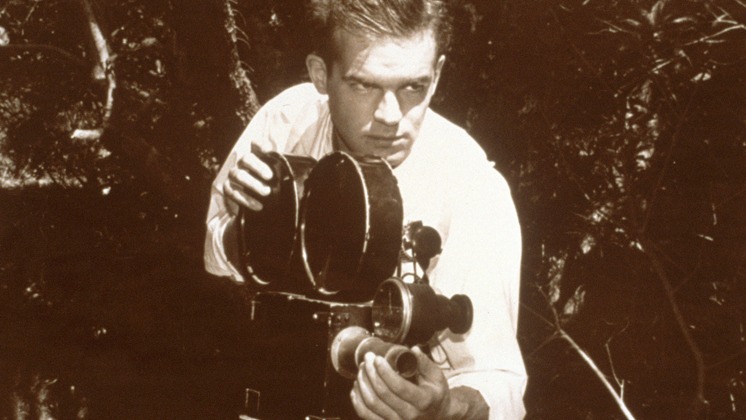
In class we watched the fake documentary Forgotten Silver (1995) directed by Peter Jackson, it's about a fake New Zealand filmmaker called Colin McKenzie.


At first I didn't particularly like the film, it's also at the start where it plays it the most straight. During this part of the film I felt a certain distaste for what they were doing by essentially rewriting history, it was only once they made it clear that they were aware of how ridiculous this idea was and they started treating it as such that I started enjoying the film. I found it a bit sad at first that New Zealand has to make up an important figure, and it felt like something that Peter Jackson might have daydreamed.


Once the movie gets going I think it's pretty good though, I like the idea and source of comedy, although admittedly I think they could have gone even further with it. At some points I feel like they pace the gags poorly, like the slapstick character who hits a child then pushes a baby's wagon, after which we see him performing more tame, regular pranks which aren't as entertaining or shocking in comparison. Starting with the more extreme ones and leading up to the ridiculous would have worked better in my opinion, and I think this applies to the film as a whole. The first half sees him making crazy discoveries like the close-up or the first tracking shot, and then these inventions dissipate to make way for less over-the-top achievements like filming The Great War. It adds a sense of realism, so I understand why they did it this way, this is how life usually unfolds and a big hurdle for many biopics, but I also feel like from an audience perspective I started losing interest towards the latter half. The usage of 15,000 extras for a battle scene doesn't even feel appropriately large in comparison to what I think the climax of the film is - the building of a city-sized set for his film.


The main character, although never speaking to the audience himself, was actually very likable. I think this is due to a mixture of complete dedication to his craft and naive mistakes or understandable failures. I like the idea that he is kept out of the history books because of small missteps - like filming the first talkie completely in Chinese. It's ridiculous and makes us like the character.

Overall I enjoyed it, just felt that the pacing became a bit limp towards the end, the positive aspect here is that the film sits at a very good running time of 50 minutes. I imagine that Jackson could have stretched this out much further as he tends to do - maybe even showing McKenzie's final biblical epic in it's 3 hour entirety. The greatest appeal about this concept to me is that the filmmakers had the opportunity to create their own fictional history of film, I guess that Jackson probably dreamed up some classic epic type films when he was young and here he has the chance to make it in a way that modern audiences will still find entertaining. I relate to this because I've had similar daydreams and can imagine how fun it would be to make fake films that were supposed to have come out decades ago.

I actually wouldn't mind seeing a sequel type thing to Forgotten Silver, with another NZ filmmaker who just missed out on being in the history books, I wouldn't even mind a documentary on a fake bad filmmaker who had huge ambitions (like Jorodowksy's Dune) that never panned out. These things are fun for both filmmakers and audiences and I'm actually surprised there's not more of it.

Wednesday, August 8, 2018

BSA 204 W5 : Isle of Dogs (2018) Review

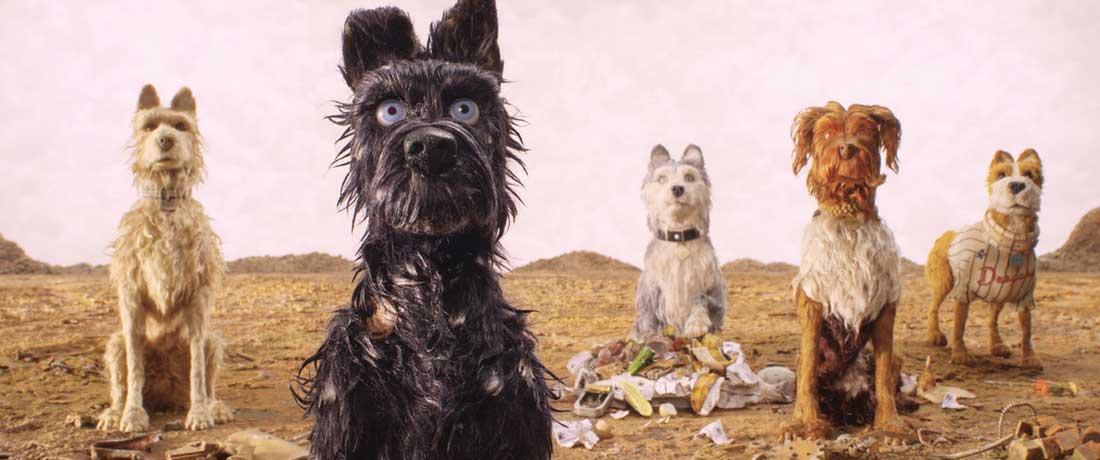
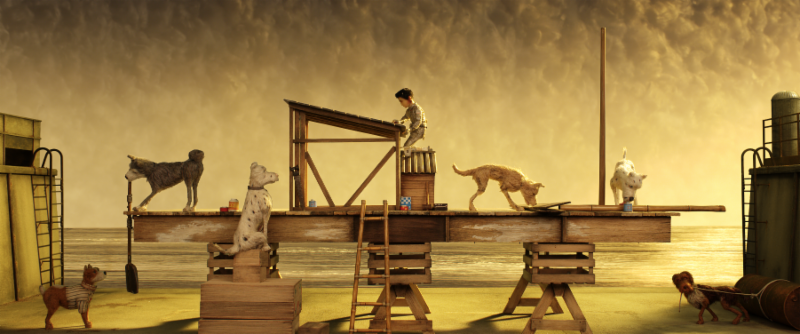
We got free access to a screening of Isle of Dogs this week so we went to see it:


1. Provide a 2-3 sentence overview of the plot. (No spoilers!)

A cat-loving mayor sends all the dogs in the city to trash island under the guise of a dog flue, a young boy sets out on a suicide mission to retrieve his best friend, it just so happens he's the mayor's son. The story follows a group of dogs who find the boy when he crashes on the island and their journey to find his lost dog - "Spot".

2. What was your overall emotional response to the film? Why? 

I really enjoyed this movie, although I have to say that it was quite straining to watch. I find this quite often with Wes Anderson's films, just because there is so much intricacy in each shot and so much to take in during every second of the run time. It's not necessarily a bad thing, but it does make his films a bit harder to watch the first time around. In the past I have found that re-watching his films is often more rewarding than what they seem to be upon first viewing. This happened with his last film, The Grand Budapest Hotel (2014), and I imagine it applies to Isle of Dogs too. 

I've been hyped for this movie for a very long time and found myself disappointing when it didn't play at Reading earlier in the year. When first announced I already wanted to see it because of how much I enjoyed Fantastic Mr. Fox (2009), his previous Stop-Motion outing. The amazing thing about Fox to me was how surprising it was upon first seeing it way back when. It stands apart from other animated movies and especially other Dahl adaptations in its more mature approach. It was an Anderson film first and foremost and I think one of his best. Hearing he'd be making an original story this time around was very exciting.

I actually knew very little about the story going in, but I thought it very creative and fantastical as an animation should be. However because of this hype and love for Fox, I knew I'd find myself somewhat disappointed and while that wasn't exactly the case I wasn't singing the movie's praises as the credits rolled either.

 I thought it was good, but maybe not fantastic. Although I will be watching it again sometime, the artistry here was truly amazing and if there's one thing the movie surpassed Fox in, it was the technical creativity.


The story I think is an area where this film doesn't reach the same heights as some of Anderson's other movies, and this is a screenwriting paper. Don't get me wrong it's an original and creative story, but there were some faults that I felt showed regarding the characters:

3. What did you think of the lead character and why? Was there a particular incident in the film or thing that they did that made you feel this way? + 4. Who was your favourite character (if not the lead) and why? Was there a particular incident in the film or thing that they did that made you feel this way? 

I was discussing the movie with my brother and mentioned that one dog disappeared for a chunk of the film and when he was suddenly leading a scene again it felt kind of weird. That's when I realized he was the protagonist.


The problem with this protagonist is not that he's not interesting or compelling, I think he's the most developed and engaging character in the film, and the only one with an arc, but he sometimes got lost among everything going on. There are a lot of characters here and that is one of my problems with the film, because when I thought back to it I realized I didn't have a 'favourite' character, and if I did he would have to be the protagonist. The film has a lot of personality but it's characters don't really share that. Usually with a film like this there would be some memorable side characters, and design-wise they certainly were, but if I was just reading the script I think I'd soon get confused.

There was one telling moment in the film where it looks like four of the main group of dogs might die, the first thing I thought here was "no he wouldn't do that", and then I thought about whether I would care and the answer surprised me. When I gauged my own feelings on these characters I realized that them all dying wouldn't have affected me, or I think the film, at all. He could have easily killed them and I would have not protested, for characters who at this point we'd spent a third of the film with I think it's a bad sign. 

I did care for the main character though, but I think this was negatively impacted when he disappeared into the background for a bit. From this point until the end of the film I found myself not caring much about him or the other characters in general. A big problem going into the climax of the film.

5. Were there any moments that engaged you the most, and why? 

The most engaging moment for me was at the peak of the protagonists' arc, this is also where all the characters are cornered. I found myself getting excited to see the fallout and see how they would escape. Anderson inserts a flashback here, which could serve to stretch the tension a bit, but I felt it served as a bit of an interruption and when the scene did conclude it felt somewhat anti-climactic.

Cornering the characters = good, especially when its at the moment they've made the most personal growth. Interrupting that with a flashback and then switching that focus onto a relatively new character - maybe not so good.

Other than this I found the most engaging moments to be those where Anderson has fun with his style, the fight scene at the beginning of the film for example. This isn't really relevant to story though, but it does show that scenes can be entertaining purely from a stylistic standpoint. Well the style and comedic quirk.

6. Were there any moments in which you started to lose interest or disengaged from the film? Why do you think this was the case? 

Once the focus leaves the protagonist and once he no longer has room to grow but there is still a big chunk of story left, that's when I started losing interest. 

The time skips or flashbacks also bothered me a bit, I think it's a constant in film and TV that jumping forward or backward in time often kills the momentum. This happens quite a bit in this movie and every time it felt like a bit like the film was getting sidetracked.

7. What were the overall strengths and weaknesses of the film?

Stylistically and technically amazing (every shot here is beautiful and it's awesome to see Anderson work in a medium where he can literally craft any image that pops into his head)

Feels a bit long (even though it's not) and as I've said the story + character is a bit shaky.

_________________________________________________________________________________

One thing I thought way too early in the film was that I would have had the boy go looking for the dog pretty much immediately and have the dog go looking for the boy simultaneously, as we follow both their stories. I think that tension of having them meet up and retreading ground that the other already has, and each entering further into the belly of the beast, are all story hooks that are quite universal and immediately arresting. The goals are also very clear, there was a bit of faffing at the start of the film where the goal wasn't immediately established and where they fake the death of the dog, all feeling a bit directionless. Once the journey starts its better, but why not kick off with that? I don't know, it's unfair to judge the film by comparing it to the stories in my own head though.

Overall I really enjoyed Isle of Dogs and its always great to see a true auteur at work, its rare to see so much of one person on the screen. 


<<END>>
_________________________________________________________________________________

BVA 203 S2W5 : Potential Advertising Idea

FlickNews

We can have a news show dedicated to the festival "Southsure Today", where we cover the week's news about the event and  have valuable updates/interviews/debates. 

This will be easy to make and the quality can be low, because the quality of news is low. We can film in the green screen and create an intro in after effects, we can film on any camera - even the EX1.

This week for example we would have:

- A news segment on the bomb threat and interviews with those involved.
- A debate about the name of the event.
- Video footage of us talking to the first years
- Highlights from the meeting 
- On the street interviews talking to the general public to gauge their awareness of the event and SIT     Downtown in general
- Chat with the design team about the direction they're taking the marketing
- Interview with Ash about center stage concerns

To DO:

- Get audio gear
- Get cameras and film talk with first years as well as meeting on Friday
- Get Suits
- Make After Effects Intro 
- Get green screen room and film those parts
- Film interviews
- Talent Releases

It is possible to do this before the end of the week, get it out by Monday, it's a lot of effort though, we'll see how I go.

BSA 204 W5 : Project Pitch and Feedback


Patrick's feedback was that this logline could have been seriously cut down and made more succinct, I found this as well, it was really weird writing it because I wanted to include all the information present but did feel it came across wonky and possibly confusing. When I read it out in class people didn't react much and I thought it had completely gone over their heads, so that's a bad sign.

Could have easily just been "A group of kids find a collection of supernatural objects in the basement of a cabin in the woods".

12 - 30 is too large of an age range, this is also not very specific in terms of gender, occupation or a number of other factors. When I was writing it I only thought of age for whatever reason.

I also think I should have been clearer about the sub-genre of horror that I'm going for, there's so many variations on this type of film and I realized during the questions segment that people didn't really get exactly what tone I was going for. Next time start with logline, genre and tone I think.

I remember when I was writing this I had trouble with the phrasing of these elements and it came across in my presentation, people were confused about what I meant when I said "too much on one platter". I think this was partly due to me not finding the words on the day I wrote them, but my rushed delivery certainly didn't help.

Don't know why I rushed this pitch, it's weird because I felt I actually did quite well with Ash's presentation the other week. There I talked calmly and, I think, confidently, while still keeping my schtick. Here I was stumbling over words and not able to get the stuff out quickly enough. The weirdest part is that for Ash's class I had no real confidence in my idea, it was essentially a bluff. This time around I actually really like the idea, and have thought a lot about it. Could be that I have too much about it in my head and can't get all of it out, maybe I am more nervous because I feel more personally invested.

Either way what I meant here was that the characters would have too much on their plate, the show will see them dealing with more problems than they have time to solve. These problems are all a result of the different supernatural occurrences, some of which will even intersect or directly affect each other. I wanted to subvert the monster-of-the-week thing by placing multiple "monsters" in the same room. I intend for it to have an avalanche effect and for the character to have to juggle many things at once, this will feel more organic kind of like what you see in shows like Breaking Bad.


The foundations of the characters are quite clear in my head, but I found them hard to summarize quickly. This goes for the arcs and stuff as well, it feels legit in my head but I find it hard to explain without laying out the entire story.

I think this entire slide was poorly communicated, but I didn't get questioned on it too much.

Don't use unconfident or unsure language like "I don't know", this is something I did in this slide in particular (but to be honest it pervaded the entire presentation).

I wrote these two words on this slide and decided I would figure it out when I got there, the truth is I am very unsure of the themes and arcs as it stands, I basically just mentioned the theme of success and maybe like teamwork. There are words for what I have in my head, they just aren't coming to me this week - I think it also doesn't help that I'm not really "in the zone" for this project anymore. The honeymoon phase seems to have already passed, as quickly as it does with most ideas that I have.

To be honest I found it quite hard to return to the feel I had in my head when originally planning this series for the proposal, hence why the whole comes off a bit unsure. I can still remember the basic make-up of what I planned originally, but the atmosphere and my ability to inhabit the narrative seems to have forsaken me.

Could be very problematic moving forward, I'll just have to find a way to get back in that headspace otherwise I'll never produce anything (movies and writing takes a long time, I need to be able to stay in love with one idea for longer than I currently can).

I mentioned these as inspirations, when I mentioned Goosebumps people finally seemed to grasp the idea, although I think ignoring the other two artist models gives people a skewed idea (one of those models was supposed to be Spielberg not King, but when I was writing this I forgot).

My original idea was Goosebumps, but good (almost as if Stephen King wrote them instead of Stine), and have all the monsters occupy the same universe. With the atmosphere being very reminiscent of Super Dark Times - a movie I should probably review.


These are the competition and I didn't do a very good describing why mine was unique. I had very good reasons originally, for the life of me I couldn't remember them during the presentation or even now (this is why I should write everything down).

I included Cabin in the Woods and Heart-Shaped Box to give a nod to where I stole the ideas from (Cabin has a cabin in the woods with a basement filled with supernatural objects - where I think my original idea originated because the characters in that film only pick out one and I couldn't help but wonder what it would be like if multiple were unlocked or operating at the same time - Heart-Shaped Box because it has an avid collector of the supernatural as the novel's protagonist - which helped give me a reason why a cabin in the woods is filled with such objects).

Tuesday, August 7, 2018

BVA 203 S2W5 : Group Meetings 2

We had group meetings again this week, I missed out on sponsorship because it was at lunch and my class went over time, but here is apparently what we discussed:

- We're waiting on Kathryn to find out if Southsure will be our major sponsor
- We discussed food and beverage sponsers (cheese, beer and Ascot catering)
- Phil, who works at Ascot, said he'll ask and see what they can offer us in terms of catering (we have an estimate of 150 guests atm).

For Advertising we had a long meeting again but it was fun, here is what we discussed:

We discussed a lot in this one.


BVA 203 W5 : Minutes and Judges

This week I did the minutes transcript thing for our Advertising meeting. It was fun.

Although I'm not in the Awards subcomittee - well, thats not what discord says but that's wrong - I did help Matthew and my brother find some potential judges. Turns out LinkedIn is extremely useful, not every company has a lit of employees on their websites, but their LinkedIns do, you also search for people by occupation and location. We were worried about finding film and animation judges, but we found so many online that I'm sure two will say yes if we just ask all of them.

Come to think of it I might prefer being in Awards than Sponsorship ðŸ¤”

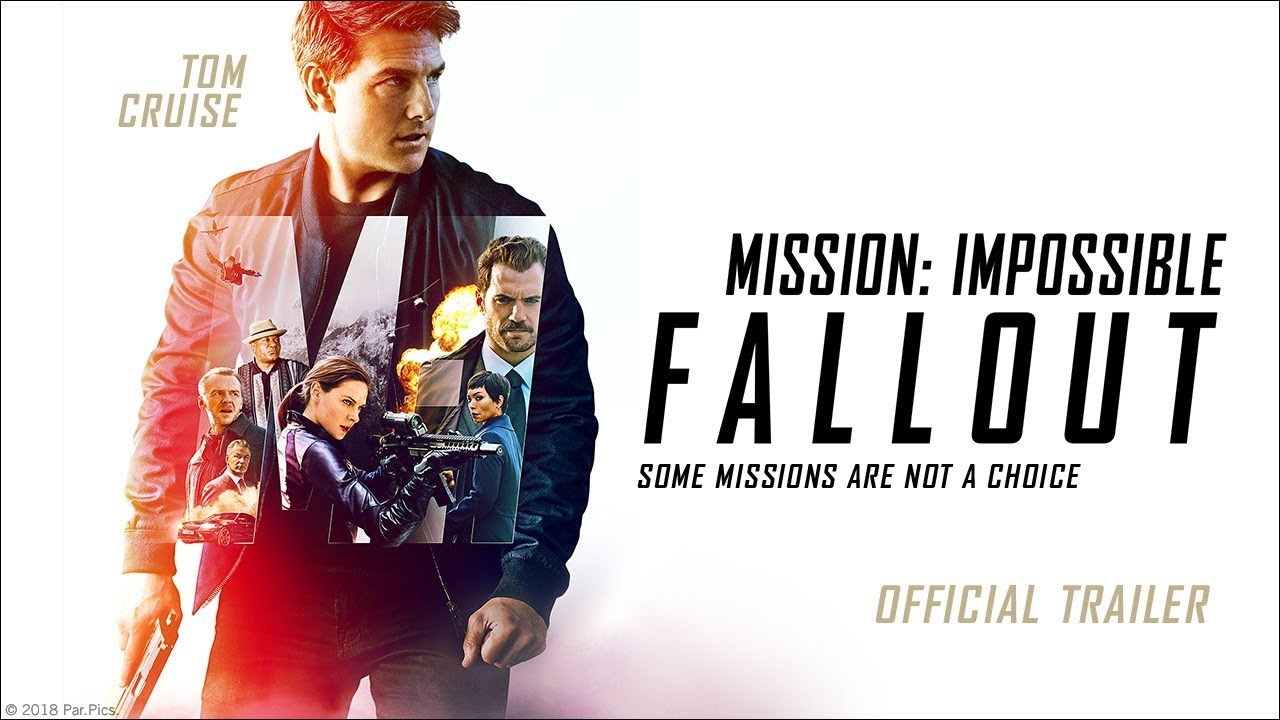
BSA 204 W5 : Mission Impossible Fallout (2018) Review

This week I went to see Mission Impossible Fallout, a movie that I didn't have much interest in going to see because I know the series has equal downs as it has ups, and while this film certainly adhered to that rule for the most part it also adhered to the other major rule of this franchise - that it always ends up being more fun that you think it will.


The biggest problem with Fallout is its dialogue and plot, which is the biggest problem of the whole series in my opinion. The dialogue isn't very engaging and it always feels like the films are keeping you out of the loop somewhat, it delivers the exposition very dryly and there's hardly any story other than what the characters' mission happens to be. Which is usually something boring like retrieving a list of names, this one tries to be a bit more emotional and tie in plot strands from previous films but by the time we get to those parts I don't think the audience really cares anymore. Plot and dialogue are such important factors that the movies almost shouldn't even work but somehow they do.

The reason it still works is because the action scenes and because the characters spend basically the entire running time just having to adapt to ever changing circumstances.

_________________________________________________________________________________

While watching the movie I was thinking about how the same fun experience could probably the derived from a film with a much smaller budget, like something made in New Zealand. There would obviously be some major changes made, especially in scale, but you could pull it off and still make it feel big by having big things happen in the background.

This led to an idea that I had and started planning in my head:

Logline: On the way home after a big mission a super spy's flight gets interrupted and lands in New Zealand, the agency wants him to finish a mission that another agent just failed and he's the only one in the area. Tired, injured and in a bad mood this spy's day just got a whole lot longer and he just wants to get it over with.

The film plays out like a mission impossible movie on a smaller scale. I want all the cool action stuff, just done in a more affordable way. This means it's dirtier, more creative and the characters have to improvise even more. Best of all the agent is absolutely knackered after having a mission the size that would normally be seen in a James Bond or Mission Impossible film. The feeling I'm going for is that thing that sometimes happens when you're tired after a long day and something comes up that extends your day that much more and all you can do it push through and finish it.

The agent here is facing sleep deprivation and this will also change the way events play out, he gets more and more tired, pissed off and sloppy as the day goes on, and yet more determined because every second is a second closer to the end of his day.

I think one of the big appeals here is that it's a relatable feeling, everyone's had a day like that, but it's in a very unfamiliar occupation. This is something present quite a lot in short films and indies, a mood or feeling that the viewer is familiar with and its accurately represented. Putting it onto an action film like this adds another layer I think.

Monday, August 6, 2018

BSA 206 S2W5 : 2000's Animation

In class we looked at animation going out of the 90's and into the 2000's:

Bob Sabistan developed a program called Rotoshop, this is seen in films like Waking Life and A Scanner Darkly, he started with the short Drinks and Snacks (2000) which we watched in class:


We also watched things made by the following people, we were tasked with writing a review of one of these, of our choosing:

Michel Gondry


Chris Shepherd


Chris Landreth


Run Wrake

 We watched one of his shorts in class, Rabbit (2005).


It uses a kids educational book as the foundation of its style, this works really well and serves as the initial point of difference. I think the best thing about this animation is that the story actually relates to the style, with it being a twisted moral tale. At first the novelty is how dark it is considering the aesthetic approach it's taking, but it was satisfying to see it turn into something closer to the traditional narrative structure seen in these kinds of books. It's probably the best animation we watched this week.


I was watching his follow up film, The Control Master (2008) and Dillon pointed out that it was very Adult Swim. Once I realized this the magic wore off a bit, it seems really easy and if Adult Swim can produce the same quality content - with dialogue - then what really makes these shorts different? In hindsight they kind of feel just like Adult Swim shorts, just this claims to be art so it's more legit? I don't know, what really sets this apart from their content?

Sunday, August 5, 2018

BSA 203 S2W5 : Purple Cow

Purple Cow - Have a POD, point of difference

Don't be boring, safe is risky, market to a small obsessed community

Frank Gehry

Image result for Frank Gehry

Jeff Koons


These people have an international audience or scene, which you acquire with them - they have a brand

What's our brand and audience?

Audience = SIT Students and their associates, family and friends, all our audience stem from the students

What is the purpose of your event? Your product? Who is it for? How will you measure success? Who do you think the purpose of planning and implementing a promotional strategy is?

We looked at this article: http://www.creativenz.govt.nz/assets/ckeditor/attachments/86/smart-arts-low-res.pdf?1296981982

And answered a series of questions on it:

1. What are the seven 'P's of marketing?

Product
Prices
Promotion
People
Place
Packaging
Positioning

This man mansplains it well: https://www.entrepreneur.com/article/70824

2. Why is it important to know the purpose of your event?

It's important to determine the purpose so you can measure your success against your goals. And so you know what you're doing

3. What is the purpose of your event? Write down your goals:

The purpose of our event is to celebrate and serve as a showcase of student work at SIT.

- To expose the work to a new community
- To learn how to plan and execute an event
- To encourage student creativity
- Give people a fun and entertaining evening

4. Why is it important to define your product?

It's important to know what you're selling.

5. Define your product:

"A festival event celebrating SIT's emerging artists"

6. Why is it important to identify your audience?

You should direct most of your resources and time to attracting those who are most likely to attend.

7. Why would people come?

- Support friends and family
- Get a fun viewing experience
- Because they entered

8. What are the three target markets?

Primary - People already favourably disposed, friends, family etc
Secondary - People who are interested in film, the arts and SIT in general
Tertiary - People with nothing better to do (harder to reach)

9. Why should you concentrate your energy on reaching your primary target?

Higher likelihood that they will attend, statistically safer

10. What is demographic and psycho-graphic profiles and how can these be used?\

- A demographic regards factors like age, sex, location, etc.
- A psycho-graphic is attitudinal

It's easier to sell your event if you know why they might want to come.

11. Work out audience and what markets they fit into:

Primary - SIT students involved
Secondary - Their family and friends
Tertiary - People with nothing better to do (general public)/ Students not involved

12. Complete questions about target market:

- What is their age range/gender?

Skewed somewhat younger (early 20's), equal parts male and female

- Where do they work?

Dominos (min wage type deals) + studying

- Where do they live? 

Low rent apartments of some kind

- What about the work interests them?

Direct involvement, it's their peer's work

- What are their interests?

Film, animation, the arts

- What do they read, listen and watch?

Facebook and social media

- What type of images appeal to them?
🅱️emes

- What language?

English

- What else have they attended?

Art galleries, flicks last year

- Contact info?

Yes, via SIT

- How much do they earn?

Not much

- What type of cars do they drive?

Cheap ones

- How much do they spend on entertainment?

More than they can afford

- How much are they prepared to spend on your event?

$10 or less

- How will they travel to your event?

Easily

- With whomst will they attend?

Friends, family, partners

13. Why is your choice of venue/place important?

Should suit the audience

14. Answer questions about venue:


- They are very familiar with the venue (it most likely being center stage)
- There are easy access measures
- Our event create the expectation that it will be your usual SIT event
- The venue has everything (chairs included)
- This information is usually given at the start of the show
- If unfamiliar with the location people might have some trouble finding it, but since we start in SIT downtown we can lead people over
- People book? Dunno, good question
- There are emergency protocols in place
- Legal compliances will be adhered to
- Can seat around 300, don't know if it affects our budget since that is still up in the air
- Light, sound, and all other requirements are already there, we'll only need ushers and operators for the equipment - which we can do

15. Why is understanding of the position of your product in the market important?

It's important to identify our points of difference to be unique and stand out against the competition

16. What is our position and is it different?

The point of difference here is that we're the only ones displaying this type of content in Invercargill, as well as only from SIT students and for SIT students

17. What is a SWOT analysis and how does this help promote your event?

Strengths
Weaknesses
Opportunities
Threats

18. What are the strengths of your event?

Huge committee - lots of hands
Direct contact with the target market
Organised by students - who are the target market

19. What are the weaknesses of the event?

Sub-par product - uncertainty of turnout
Organised by students - Who are inexperienced

20. What are the opportunities associated with your event?

Opportunity for networking, meeting industry professionals
Experience
Audience exposure

21. Identify potential threats to your event

Bomb threats
Center-stage is in shambles / shaky venue
Alcohol and unpredictable behaviour
Sponsors and judges might pull out
Tripping hazards, there's a larger possibility of tripping
Earthquakes, it's a shaky venue
Food poisoning

22. How will you promote the event and what's available for free? Publicity avenues/ identify the various media angles and the most appropriate to receive your release. Be realistic and consider each avenue in terms of the TM

Social Media
Posters
Global distribution

23. Why is it important to write an effective media release?

Exposure

24. How long should your release be

💯

25. Why are headlines important?

Eye-catching

26. Where should our main point be?

Genesis

27. Why should your media release be free from jargon? 

Confusion

28. Why is it important to understand your target market in respect to who you send your release to?

Perspicuity

29. What photographic images could you include with your release and why?

Relevant, appealing and representative of our event

30. Why should you always follow up your media release

Create an existing relationship with the journos

31. How should you follow up your media release?

Phone calls or E-Mail

32. What is a media kit? What does it include? When would you use it?

: a press release, a flyer or brochure, detailed background about the company or artist, biographies, possibly a list of quotes about past work of the company, photos, fact sheets and press clippings.
Friday, August 3, 2018

BSA 203 S2W4 : Group Meeting

This week the two sub-committees that I am a part of both had meetings:

Sponsorship

It was a very short meeting, we went over the main goals of the group and listed some ways in which we could possibly acquire sponsorship.

Advertising

It was a very long meeting, we went over the main goals of the group and one of the main issues raised was the fact that we don't even know the name of the event (which has historically been called Flicks, but which some people feel needs changing). Without a name we can't even as much as create a facebook page so yeah.


Thursday, August 2, 2018

BSA 227 W4 : Rotoscoping

This week in class we looked at rotoscoping:

The first thing that we did was insert the footage into the sequence, this was without creating a new composition so that the video's settings are applied.


Once the video was in the sequence we selected it and the rotoscoping tool, we simply traced the thing (in this case person) we wanted to mask:


We use the roto-pen tool to trace out the person. We did this for the entire clip, the mask sometimes changes in unpredictable ways so we have to fix that, the mask has a 'minus' feature as well when you hold in control.


We insterted a PNG that we madd in Photoshop and inserted it on the first video layer, then used the toggle switches / modes button to make the text an overlay. This is what we ended up with: